
Not every toy needs to be visible at the same time.
Some materials work best where the child can see and choose them. Multi-piece sets need a basket, tray, pouch, or compartment so the activity stays complete. Bulky toys may fit better in a toy box, while out-of-rotation materials can stay in adult-managed storage until they are useful again.
That is the main job of Montessori toy storage: matching the storage method to the toy rather than forcing every item onto the same low shelf.
A practical Montessori-inspired setup usually has more than one storage zone.
Current activities benefit from visibility and easy child access. Open shelves, shallow cubbies, small baskets, trays, and front-facing books can make the available selection easier to understand and return.
Bulk storage serves a different purpose. Large blocks, stuffed animals, dress-up clothes, balls, and other bulky collections may be easier to manage in baskets, bins, or toy boxes.
Rotation storage can be less visible and does not need to be child-accessible. Closet bins, cabinets, upper cubbies, closed containers, and hidden compartments can all work.
The goal is not to expose the entire collection. It is to keep the current choices clear while the rest remains organized elsewhere.
A low shelf is one part of a larger storage system.
Our Montessori toy shelves page focuses on furniture geometry: shelf height, depth, tray clearance, open and closed backs, adjustable shelves, book displays, and room placement.
This page focuses on the broader organization problem: which toys should remain visible, which need containment, which belong in bulk storage, and where out-of-rotation materials should go.
That distinction helps prevent one piece of furniture from being asked to perform every storage job.
A Montessori toy organizer may use cubbies, baskets, bins, drawers, shelves, or a combination of these.
The system works best when categories are easy to understand and realistic to maintain. Vehicles, blocks, animals, pretend food, art materials, and dress-up accessories are usually more practical categories than highly specific subdivisions that make cleanup unnecessarily complicated.
Deep bins deserve extra attention. A large opaque container can technically hold a great deal while making toys difficult to see or retrieve.
When comparing organizers, consider whether the child can identify the contents, remove the bin safely when loaded, and return toys without excessive digging.
Storage capacity is useful only when the system remains understandable.
Toy boxes are not automatically incompatible with Montessori-inspired organization.
They can work well for bulky, soft, or high-volume items such as stuffed animals, large blocks, balls, blankets, dress-up clothing, and out-of-rotation toys. They are less useful for activities that depend on complete, visible sets, such as puzzles, matching games, counting materials, and many fine-motor activities.
Baskets and bins are more flexible because they can contain one category or one multi-piece activity while remaining portable.
Open baskets provide quick access and some visibility. Clear bins keep contents visible even when stacked or stored in a closet. Opaque bins reduce visual clutter but often benefit from labels.
The better choice depends on whether the contents need to be visible, portable, protected, or simply contained.
Some toys lose much of their usefulness when their pieces migrate into other containers.
Matching games, puzzles, threading materials, counting sets, pretend-food collections, animal families, and fine-motor activities usually benefit from dedicated storage.
Depending on the set, that might be a tray, pouch, shallow basket, small bin, drawer, or compartment box.
Blocks are different. They may work perfectly well in one large open basket or low toy box because the pieces belong to the same construction collection.
The storage system should adapt to the toy rather than forcing every activity into identical bins.
Open storage is useful for toys that are currently available because it keeps the choice visible and easy to access.
Closed storage is better suited to rotation toys, overflow, seasonal materials, replacement parts, and items that do not need immediate child access.
In smaller homes, a mixed organizer can combine low open compartments with higher cabinets, drawers, or closed bins in one footprint. A taller unit can also create two practical zones: lower storage for child-managed materials and upper storage for adult-managed items.
Montessori-inspired organization does not require every storage surface to be child-height. It requires the areas intended for independent use to be accessible and understandable.
A compact room often works better with several smaller storage solutions than one oversized organizer.
A simple setup might combine a low shelf for current activities, a taller organizer for adult-managed storage, baskets for loose sets, under-bed bins for rotation, and a wall-mounted book display.
Shared rooms benefit from clear zones rather than excessive compartment count. Toys may be organized by activity type, child, access level, or shared use.
Labels become more useful as storage gets larger or less visible. Words, pictures, colors, or symbols can help identify hidden categories, especially on opaque bins or in multi-child spaces.
The best system is the one household members can actually maintain.
Rolling carts, wheeled bins, and mobile toy boxes can be useful when activities move between rooms.
The key questions are how the unit behaves when full, whether it has usable handles, whether wheels lock or move too freely, and what the manufacturer says about stability and intended movement.
Doors and drawers can reduce visual clutter, but they add hinges, slides, handles, finger-clearance considerations, and assembly requirements.
Those features are not automatically better or worse. They simply change how the storage is used.
For larger furniture, follow the manufacturer’s instructions for wall anchoring, load limits, assembly, placement, doors, drawers, and wheels.
Toy storage may use solid wood, plywood, engineered wood, plastic, metal, fabric, or woven fibers.
Material affects weight, durability, cleaning, and how easy a container is for a child to carry. A lightweight plastic bin may be more practical than a heavy basket for one household, while a washable fabric pouch may be ideal for puzzle pieces or travel.
Woven baskets can work well but may trap debris, lose shape, or become heavy when full. Plastic bins may be easier to rinse. Wooden shelves may require wiping rather than soaking.
A storage system usually combines several materials, so cleaning instructions may differ across shelves, baskets, bins, and labels.
We look at the job each storage product is meant to perform.
A strong system should make current toys visible enough to browse, keep multi-piece sets together, provide practical bulk storage where needed, and maintain a clear place for rotation toys.
We also consider child access, category clarity, container depth, loaded weight, room footprint, mobility, labels, cleaning, assembly, and anchoring.
More capacity is not automatically better. An organizer can hold many toys while making the collection harder to use and reset.
Our Montessori toy review process explains how we assess manufacturer information, construction, usability, product claims, and practical tradeoffs.
Disclosure: The Little Montessori may earn a commission from qualifying purchases made through links on this page, at no additional cost to you.


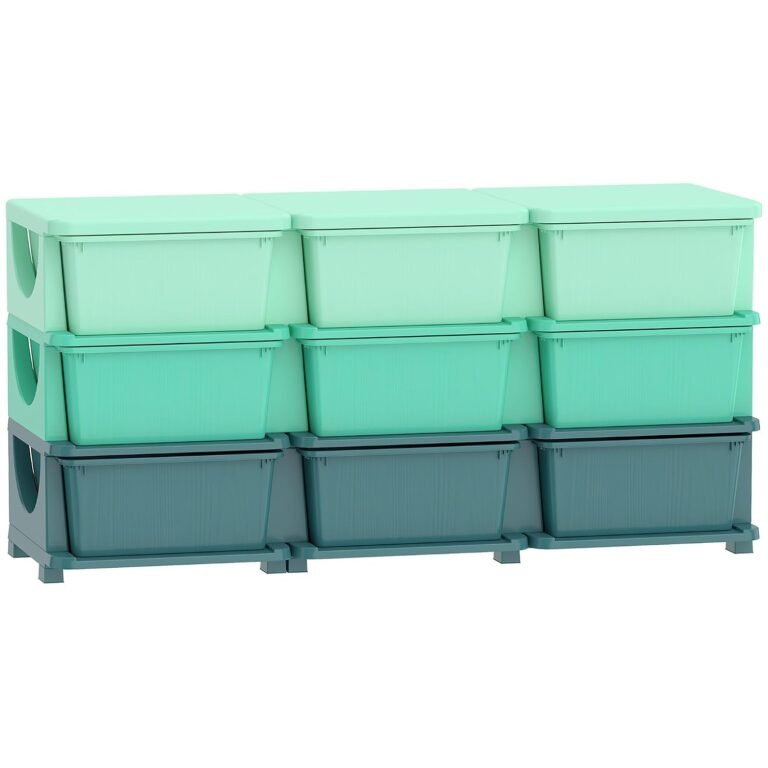


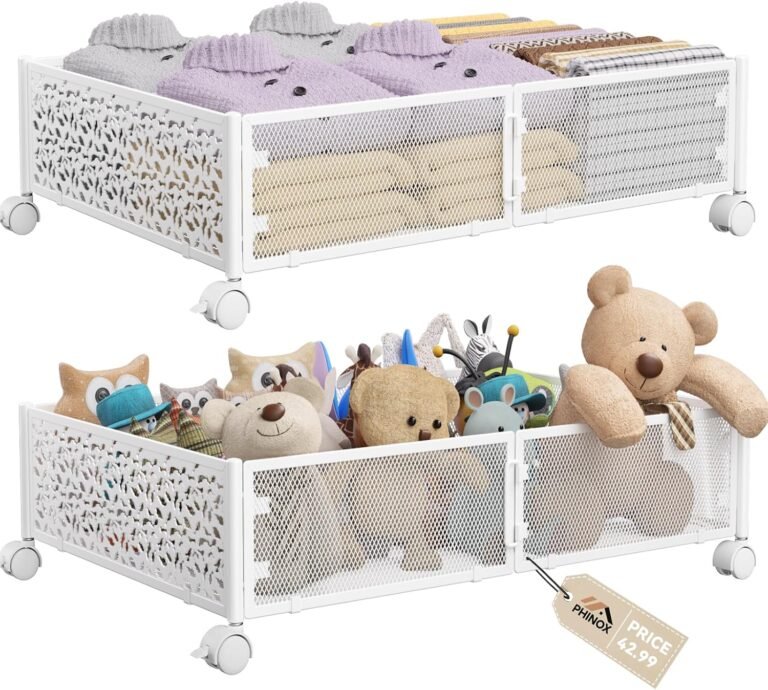


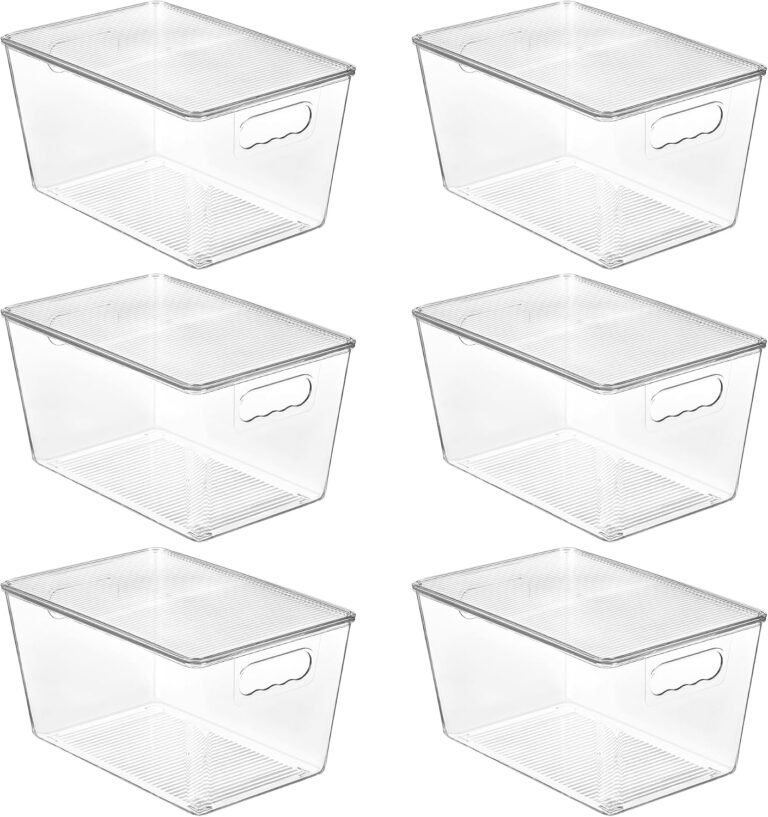
Keep current activities visible and easy to return, use dedicated containers for multi-piece sets, use bulk storage for larger collections, and keep out-of-rotation toys in a separate adult-managed area.
A toy box can fit into a Montessori-inspired storage system when it is used for toys that benefit from bulk containment, such as blocks, stuffed animals, dress-up items, or rotation materials. It is less useful for activities that need to remain complete and visible.
A toy shelf primarily presents current activities openly. A toy organizer usually provides more compartments, baskets, or bins for category storage. The better choice depends on whether visibility, containment, or capacity is the priority.
They can be kept in a closet, cabinet, upper cubby, closed bin, hidden compartment, or another adult-managed area. Rotation storage does not need to be child-accessible.
No. Keeping the entire collection visible can make the room harder to browse and reset. It is usually more practical to display the current selection and store the rest elsewhere.